How to Dehydrate Fruit at Home for Delicious Snacks
Dehydrating fruit at home is a rewarding process that allows you to create healthy, delicious snacks while preserving the natural flavors and nutrients of your favorite fruits. By learning how to dehydrate fruit properly, you can enjoy these tasty treats anytime and even use them in various recipes. Before you begin, ensure you follow basic food safety guidelines, such as washing your hands and using clean equipment, to avoid contamination.
Disclosure: As an Amazon Associate I earn from qualifying purchases.

What You’ll Need
To successfully dehydrate fruit at home, gather the following items:
- A food dehydrator or an oven (with a low-temperature setting)
- Fresh fruits of your choice (apples, bananas, berries, etc.)
- A sharp knife and cutting board
- Lemon juice or ascorbic acid (to prevent browning)
- Storage containers (like airtight jars or vacuum-sealed bags)
- Parchment paper (optional, for easier cleanup)
Step-by-Step
- Select Your Fruits: Choose ripe, fresh fruits that are free from bruises or blemishes. Popular options include apples, bananas, pears, and mangoes.
- Prepare the Fruits: Wash the fruits thoroughly. Peel them if desired, and slice them into even pieces to ensure uniform drying. Thinner slices will dry faster.
- Prevent Browning: To keep your fruits looking fresh, soak them in a mixture of lemon juice and water or sprinkle them with ascorbic acid for about 10 minutes.
- Arrange on Trays: Place the fruit slices in a single layer on the dehydrator trays or a baking sheet if using an oven. Avoid overlapping to ensure even drying.
- Set the Temperature: If using a dehydrator, set it to the recommended temperature for the type of fruit you are drying, typically between 130°F and 160°F. For an oven, set it to the lowest temperature setting.
- Dehydrate: Allow the fruit to dehydrate for several hours, checking periodically. The drying time can vary depending on the type of fruit and thickness of slices.
- Check for Doneness: The fruit should be leathery and pliable but not sticky. If it feels moist, continue dehydrating and check again.
- Cool and Store: Once dried, let the fruits cool before transferring them to airtight containers. Store in a cool, dark place to maintain freshness.
Pro Tips for Better Results
To enhance your fruit dehydration experience, consider these tips:
- Experiment with different fruits and combinations to discover unique flavors.
- Try seasoning your fruit slices with spices like cinnamon or nutmeg for added flavor.
- Label your storage containers with the date and type of fruit for easy tracking.
- Rotate trays in the dehydrator halfway through the drying time for even results.
Common Mistakes
Avoid these pitfalls while dehydrating fruit:
- Using overripe or damaged fruit can lead to poor quality snacks.
- Cutting fruit unevenly can result in inconsistent drying.
- Skipping the browning prevention step may cause discoloration and affect taste.
- Overcrowding trays can hinder airflow and lead to uneven drying.
Troubleshooting
If you encounter issues during the dehydration process, consider the following solutions:
- If the fruit is too sticky, it may not be fully dried; return it to the dehydrator for more time.
- For overly dry fruit, try adjusting the temperature or drying time in future batches.
- If your fruit is browning too much, ensure you are using the acid solution correctly and not skipping it.
Maintenance / Next-Time Checklist
To improve your next dehydration session, keep this checklist in mind:
- Ensure all equipment is clean and in good working order.
- Review your fruit selection and preparation methods.
- Consider trying out new fruits or recipes.
- Keep track of drying times for different fruits for future reference.
Recommended Products & Tools
To make your fruit dehydration process easier and more efficient, consider the following products:
- Food Dehydrator: A device like the NutriChef Food Dehydrator Machine is ideal for preserving various types of food, providing even heat circulation for consistent results.
- Dehydrator Cookbook: A guide such as “Food Dehydrating for Beginners” can offer you recipes and tips tailored to dehydrating food at home.
- Sharp Knife: A good-quality knife will help you slice fruits evenly, ensuring uniform drying.
- Airtight Storage Containers: Invest in quality containers to extend the shelf life of your dehydrated fruits.
FAQ
Q: How long does it take to dehydrate fruit?
A: Drying times vary by fruit and thickness of slices, typically ranging from 4 to 12 hours.
Q: Can I dehydrate frozen fruit?
A: Yes, but it is best to thaw and drain excess moisture before dehydrating.
Q: How do I know when fruit is fully dehydrated?
A: The fruit should be leathery and flexible, with no moisture pockets. It should not feel sticky.
Q: Can I use spices when dehydrating fruit?
A: Absolutely! Adding spices can enhance the flavor of your dehydrated fruits.
Q: How should I store dehydrated fruit?
A: Store in airtight containers in a cool, dark place to maintain freshness and prevent moisture absorption.

- PROFESSIONAL FOOD DEHYDRATOR: A multi-tier electric pro food dehydrator that can preserv…
- EASY ACCESS AND OPERATION PROCESS: This item is built to make your food preparation much…
- STACKABLE TRAYS: It also comes with 5 removable stackable food trays or dryer trays. The…
Wrap-Up
Dehydrating fruit at home is a fantastic way to create healthy snacks that are full of flavor and nutrients. By following these steps, tips, and guidelines, you can enjoy the delicious results of your efforts. Remember to experiment and have fun with different fruits and recipes, and soon you’ll be a pro at making your own dehydrated snacks.
Recommended Products & Tools
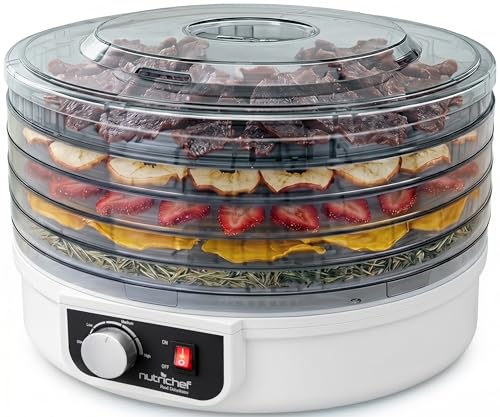
- PROFESSIONAL FOOD DEHYDRATOR: A multi-tier electric pro food dehydrator that can preserv…
- EASY ACCESS AND OPERATION PROCESS: This item is built to make your food preparation much…
- STACKABLE TRAYS: It also comes with 5 removable stackable food trays or dryer trays. The…

- Used Book in Good Condition


