Understanding the Differences Between Cast Iron and Stainless Steel Skillets
When it comes to choosing between cast iron skillets and stainless steel skillets, both options bring unique advantages and considerations to the table. Cast iron skillets are renowned for their exceptional heat retention and versatility, making them ideal for searing, frying, and even baking. On the other hand, stainless steel skillets are celebrated for their durability, non-reactive surface, and ease of cleaning, making them a staple in many kitchens.
The choice ultimately depends on your cooking style, the types of dishes you prepare, and your maintenance preferences. Understanding the fundamental differences between these two popular cookware options can help you make an informed decision that best suits your culinary needs.
Disclosure: As an Amazon Associate I earn from qualifying purchases.
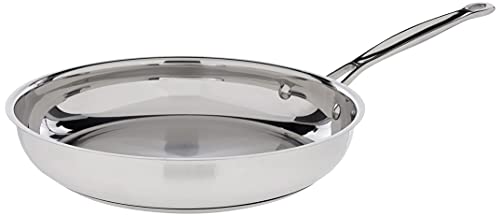
- EXCEPTIONAL DESIGN: enjoy mirror finish, classic look and professional performance. Alum…
- PREMIUM COOKING: stainless steel cooking surface does not discolor, react with food or a…
- EXCEPTIONAL HANDLING: cool grip handles are solid stainless steel riveted handles that s…
Why This Matters
Choosing the right skillet can significantly impact your cooking experience and the quality of your meals. Each material has distinct properties that affect heat distribution, flavor retention, and ease of use. Knowing these differences can help you select a skillet that complements your cooking habits and enhances your culinary creations.
Moreover, understanding the strengths and weaknesses of each type can also guide you in maintaining your cookware for longevity. This knowledge ensures that you get the most out of your investment in kitchen tools.
Key Benefits
Cast iron skillets offer remarkable heat retention and can withstand high temperatures, making them perfect for tasks like searing meats or baking cornbread. They develop a natural non-stick surface over time with proper seasoning, which enhances their usability. Additionally, cast iron is often more affordable and can last a lifetime with the right care.
Stainless steel skillets, such as the Cuisinart 10-Inch Open Skillet, provide a sleek, modern aesthetic and are highly resistant to rust and corrosion. They are non-reactive, meaning they won’t alter the taste of acidic foods. Stainless steel skillets heat quickly and evenly, making them suitable for precise cooking techniques like sautéing and deglazing. The dishwasher-safe feature of many stainless steel options simplifies cleanup, making them a convenient choice for busy cooks.
Common Drawbacks & Limitations
- EXCEPTIONAL DESIGN: enjoy mirror finish, classic look and professional performance. Alum…
- PREMIUM COOKING: stainless steel cooking surface does not discolor, react with food or a…
- EXCEPTIONAL HANDLING: cool grip handles are solid stainless steel riveted handles that s…
Cast iron skillets can be quite heavy, which may pose a challenge for some users when lifting or maneuvering. They also require regular seasoning to maintain their non-stick properties and prevent rusting. If not cared for properly, they can develop a sticky surface, which can detract from their cooking performance.
Stainless steel skillets can sometimes have issues with food sticking if not preheated correctly or if insufficient oil is used. They may also require more effort to clean, especially if food is allowed to stick. While they can withstand high temperatures, they may not retain heat as well as cast iron, which could impact certain cooking methods.
What to Look For (Buyer’s Checklist)
When selecting a skillet, consider the following factors:
– Material: Ensure you choose high-quality cast iron or stainless steel for durability and performance.
– Size: Choose a skillet size that fits your cooking needs, whether you often cook for one or for a larger group.
– Handle: Look for a skillet with a comfortable, heat-resistant handle for easy maneuvering.
– Compatibility: Ensure the skillet is compatible with your cooktop, whether it’s gas, electric, or induction.
– Maintenance: Consider how much time you are willing to invest in cleaning and seasoning.
How to Choose for Your Situation
If you frequently cook dishes that require high heat and excellent heat retention, a cast iron skillet may be the better choice. It’s ideal for those who enjoy baking and searing. However, if you prefer easy cleanup and versatility for a range of cooking techniques, a stainless steel skillet is likely more suitable.
For those who often cook acidic foods, stainless steel is preferable due to its non-reactive nature. In contrast, if you appreciate the traditional cooking methods and flavors that cast iron can impart, it may be worth the extra care.
Care, Safety, and Longevity Tips
To maintain cast iron skillets, clean them with hot water and a stiff brush, avoiding soap unless necessary. Always dry them thoroughly to prevent rusting and apply a thin layer of oil after each use to maintain seasoning.
For stainless steel skillets, avoid using steel wool or abrasive cleaners that can scratch the surface. Instead, soak them in warm soapy water for easy cleaning. For stubborn stains, a mixture of baking soda and water can be effective.
Both types of skillets should be stored in a dry place to prevent moisture buildup, which can lead to rust in cast iron and tarnishing in stainless steel.
Recommended Picks
When considering stainless steel skillets, options like the Cuisinart 10-Inch Open Skillet and EWFEN 12 Inch Tri-Ply Stainless Steel Frying Pan stand out for their durability and even heating. These skillets are designed for compatibility with various cooktops and feature cool grip handles for safety and comfort.
For cast iron, while specific products were not mentioned, look for skillets that are pre-seasoned and offer a good weight for heat retention.
FAQ
Q: Can I use a cast iron skillet on an induction cooktop?
A: Yes, as long as the cast iron skillet has a flat bottom and is of a suitable size for the induction cooktop.
Q: How do I season a cast iron skillet?
A: Clean the skillet, apply a thin layer of vegetable oil, and bake it upside down in the oven for an hour to create a non-stick surface.
Q: Is stainless steel cookware safe for acidic foods?
A: Yes, stainless steel is non-reactive and safe to use with acidic ingredients like tomatoes and vinegar.
Q: Can I put my stainless steel skillet in the dishwasher?
A: Many stainless steel skillets are dishwasher safe, but hand washing is recommended for longevity.
Q: Which skillet is better for high-heat cooking?
A: Cast iron skillets excel in high-heat cooking due to their heat retention properties.

- MULTIPLY CLAD STURDY CONSTRUCTION: Multiply cladding technology produces the highest-qua…
- DURABLE & SLEEK DESIGN: Each piece designed with durability and a sleek mirror finish ex…
- ENERGY SAVING CAPABILITY: Multi-layer compositse steel effectively saves fuel by up to 2…
Conclusion
In summary, both cast iron and stainless steel skillets have their unique advantages and are suited for different cooking styles. Cast iron is ideal for those who appreciate traditional cooking and high heat retention, while stainless steel is perfect for cooks seeking convenience and versatility. By understanding the key differences and considering your cooking needs, you can select the perfect skillet to enhance your culinary adventures.
Popular Picks to Compare
- EXCEPTIONAL DESIGN: enjoy mirror finish, classic look and professional performance. Alum…
- PREMIUM COOKING: stainless steel cooking surface does not discolor, react with food or a…
- EXCEPTIONAL HANDLING: cool grip handles are solid stainless steel riveted handles that s…
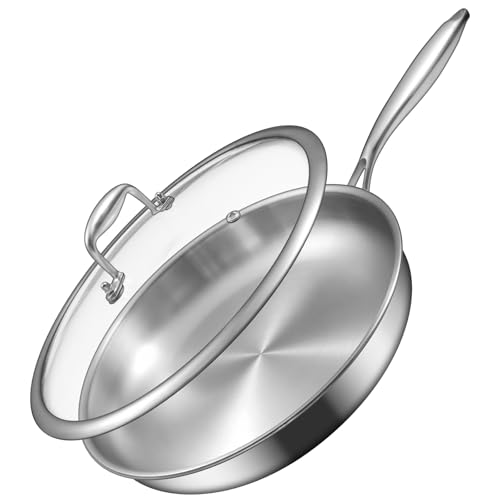
- MULTIPLY CLAD STURDY CONSTRUCTION: Multiply cladding technology produces the highest-qua…
- DURABLE & SLEEK DESIGN: Each piece designed with durability and a sleek mirror finish ex…
- ENERGY SAVING CAPABILITY: Multi-layer compositse steel effectively saves fuel by up to 2…
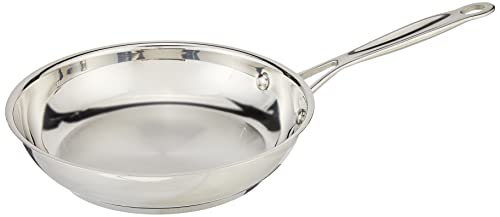
- EXCEPTIONAL DESIGN: enjoy mirror finish, classic look and professional performance. Alum…
- PREMIUM COOKING: stainless steel cooking surface does not discolor, react with food or a…
- EXCEPTIONAL HANDLING: cool grip handles are solid stainless steel riveted handles that s…

- SHIPMENT CONTAINS: 2-piece stainless steel fry pan set; 8 inch and 10 inch pans; no lids…
- DURABLE STAINLESS STEEL: Made of heavy-gauge 18/8 stainless steel with aluminum core pan…
- VERSATILE COOKING COMPATIBILITY: Suitable for use on stovetops and induction tops; oven …

- 3-LAYER PROFESSIONAL CONSTRUCTION: 12-inch stainless steel fry pan with a lid Features f…
- UNBREAKABLE 304 STEEL LID (0.8mm) – NO MORE SHATTERED GLASS! Heavier-duty than fragile g…
- RESTAURANT-GRADE HEAT CONTROL: Each stainless steel skillet features aluminum core that …