Glass vs Stainless Steel Electric Kettles: Key Differences Explained
When it comes to choosing an electric kettle, the material can significantly affect your experience. Glass and stainless steel kettles both have unique advantages and drawbacks that can influence your decision. Understanding these differences will help you select the right kettle for your needs.
Disclosure: As an Amazon Associate I earn from qualifying purchases.

- BOILS IN MINUTES, NOT FOREVER — A powerful 1500W rapid-boil element brings a full 1.8L (…
- GLASS BODY + STAINLESS STEEL POUR — A clear borosilicate glass body lets you see exactly…
- TWO-WAY SAFETY: AUTO SHUT-OFF + BOIL-DRY PROTECTION — The kettle switches off the instan…
Glass kettles, such as the MUELLER HOME Rapid Boil Electric Tea Kettle, provide a visually appealing way to boil water while allowing you to monitor the process easily. On the other hand, stainless steel kettles, like the Cosori Electric Kettle, offer durability and heat retention, making them a practical choice for daily use.
Why This Matters
The choice between glass and stainless steel electric kettles matters because each material impacts not just aesthetics, but also functionality, safety, and maintenance. Glass kettles allow you to visually track the boiling process, while stainless steel models are generally more robust and resistant to dents and scratches. Understanding these characteristics can help you make an informed decision that aligns with your lifestyle.
Key Benefits
Glass kettles have several advantages. They allow you to see the water level and boiling process, making it easier to gauge when your water is ready. The borosilicate glass used in models like the MUELLER HOME kettle is resistant to thermal shock, enhancing safety. Additionally, glass does not retain odors or flavors, ensuring a fresh taste with every use.
Stainless steel kettles, such as the Cosori Electric Kettle, offer their own set of benefits. They are typically more durable and less prone to breakage compared to glass. The food-grade stainless steel used in these kettles ensures that no harmful chemicals leach into your water, providing peace of mind regarding safety. Furthermore, stainless steel kettles often have better heat retention, allowing water to stay hot longer.
Common Drawbacks & Limitations
- BOILS IN MINUTES, NOT FOREVER — A powerful 1500W rapid-boil element brings a full 1.8L (…
- GLASS BODY + STAINLESS STEEL POUR — A clear borosilicate glass body lets you see exactly…
- TWO-WAY SAFETY: AUTO SHUT-OFF + BOIL-DRY PROTECTION — The kettle switches off the instan…
Despite their benefits, glass kettles have some drawbacks. They can be more fragile than their stainless steel counterparts, making them susceptible to breakage if dropped. Additionally, glass kettles may require more frequent cleaning to maintain clarity, especially in hard water areas where mineral deposits can accumulate.
Stainless steel kettles, while durable, can sometimes retain heat for too long, posing a risk of burns if not handled carefully. They also may not provide the same aesthetic appeal as glass kettles, which some users prefer for their kitchen decor. Lastly, some stainless steel kettles may have plastic components that can affect the taste of the water, although many brands are moving toward completely plastic-free designs.
What to Look For (Buyer’s Checklist)
When selecting an electric kettle, consider the following factors:
- Material: Decide between glass or stainless steel based on your preference for aesthetics and durability.
- Capacity: Consider how much water you typically need to boil—common sizes range from 1.5L to 1.8L.
- Safety Features: Look for auto shut-off and boil-dry protection to prevent accidents.
- Ease of Cleaning: Ensure the kettle has a removable lid or a wide mouth for easy filling and cleaning.
- Power and Efficiency: Check the wattage; higher wattage typically means faster boiling times.
How to Choose for Your Situation
Your choice of kettle should align with your specific needs and preferences. If you are a visual learner who enjoys watching the boiling process, a glass kettle might be the best fit. For families or those who prioritize durability, a stainless steel kettle could be more suitable.
Consider your kitchen setup as well. If you have limited counter space, opt for a kettle with a cordless design or a compact model. Additionally, if you frequently entertain guests, a larger capacity kettle can save you time and effort.
Care, Safety, and Longevity Tips
To ensure the longevity of your kettle, follow these care and safety tips:
- Regularly clean your kettle to prevent mineral buildup, especially in hard water areas.
- For glass kettles, avoid sudden temperature changes to prevent cracking.
- Always use the auto shut-off feature to prevent overheating.
- Store your kettle in a safe place to avoid accidental drops or knocks.
- Follow the manufacturer’s guidelines for maintenance and cleaning.
Recommended Picks
For those seeking a glass kettle, the MUELLER HOME Rapid Boil Electric Tea Kettle stands out for its elegant design and effective boiling capabilities. Its combination of glass and stainless steel provides both durability and aesthetic appeal.
On the stainless steel side, the Cosori Electric Kettle is a strong contender, featuring a plastic-free interior and superior heat retention. Its sleek design and safety features make it an excellent choice for everyday use.
FAQ
1. Can I use a glass kettle for boiling milk? It is not recommended as milk can scorch and damage the kettle.
2. Are stainless steel kettles safe for health? Yes, high-quality stainless steel kettles are safe and do not leach harmful chemicals.
3. How do I clean a glass kettle? Use a mixture of vinegar and water to descale the kettle, and rinse thoroughly.
4. Do electric kettles consume a lot of electricity? Electric kettles are generally energy-efficient, especially compared to stovetop boiling.
5. Can I leave water in my kettle overnight? It is best to empty the kettle after use to prevent mineral buildup and ensure freshness.

- 𝟯𝟬𝟰 𝗙𝗼𝗼𝗱-𝗚𝗿𝗮𝗱𝗲 𝗦𝘁𝗮𝗶𝗻𝗹𝗲𝘀𝘀 𝗦𝘁𝗲𝗲𝗹: 100% stainless steel interior. Plastic-free—spout, inner…
- 𝗜𝗻𝘁𝗲𝗿𝗻𝗮𝗹 𝗪𝗮𝘁𝗲𝗿 𝗟𝗲𝘃𝗲𝗹 𝗜𝗻𝗱𝗶𝗰𝗮𝘁𝗼𝗿: Unlike typical plastic water level indicators, ours is c…
- 𝗘𝗮𝘀𝘆 𝘁𝗼 𝗨𝘀𝗲: Internal water level markings for precise filling, and blue LED light turns…
Conclusion
Choosing between a glass and stainless steel electric kettle ultimately depends on your personal preferences and usage habits. Both materials offer unique benefits that cater to different needs, from aesthetic appeal to durability and safety. By considering the factors outlined in this guide, you can make a well-informed decision that enhances your kitchen experience.
Popular Picks to Compare
- BOILS IN MINUTES, NOT FOREVER — A powerful 1500W rapid-boil element brings a full 1.8L (…
- GLASS BODY + STAINLESS STEEL POUR — A clear borosilicate glass body lets you see exactly…
- TWO-WAY SAFETY: AUTO SHUT-OFF + BOIL-DRY PROTECTION — The kettle switches off the instan…

- 𝟯𝟬𝟰 𝗙𝗼𝗼𝗱-𝗚𝗿𝗮𝗱𝗲 𝗦𝘁𝗮𝗶𝗻𝗹𝗲𝘀𝘀 𝗦𝘁𝗲𝗲𝗹: 100% stainless steel interior. Plastic-free—spout, inner…
- 𝗜𝗻𝘁𝗲𝗿𝗻𝗮𝗹 𝗪𝗮𝘁𝗲𝗿 𝗟𝗲𝘃𝗲𝗹 𝗜𝗻𝗱𝗶𝗰𝗮𝘁𝗼𝗿: Unlike typical plastic water level indicators, ours is c…
- 𝗘𝗮𝘀𝘆 𝘁𝗼 𝗨𝘀𝗲: Internal water level markings for precise filling, and blue LED light turns…
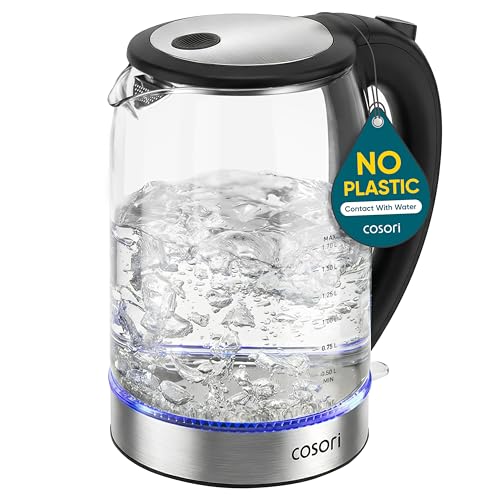
- No Plastic Contact with Your Water——With no plastic inside, water never touches plastic,…
- Faster Than a Stovetop Kettle——Boils a full cup of water in under 3 minutes for less wai…
- Easy to Clean——Wide mouth and large-angle lid lets you reach every corner with ease

- 𝑼𝑷𝑮𝑹𝑨𝑫𝑬𝑫 𝑫𝑶𝑼𝑩𝑳𝑬-𝑾𝑨𝑳𝑳 𝑫𝑬𝑺𝑰𝑮𝑵: Say goodbye to the traditional single-wall plastic kettle. …
- 𝑬𝑵𝑱𝑶𝒀 𝑪𝑳𝑬𝑨𝑵 𝑾𝑨𝑻𝑬𝑹: The seamless inner shell has no crevices for dirt to get trapped in. …
- 2-𝑳𝑬𝑽𝑬𝑳 𝑳𝑰𝑫: Open the lid to 45° using the button to avoid hot water splashing or raise …

- FAST BOILING: Chefman kettles boil water fast. Boil your water in as little as 3 minutes…
- LED INDICATOR LIGHTS: Easily see when your glass teapot is warming up! Blue LED lights i…
- STEEP LOOSE-LEAF TEA: With the stainless-steel removable tea infuser, you can steep a wh…